
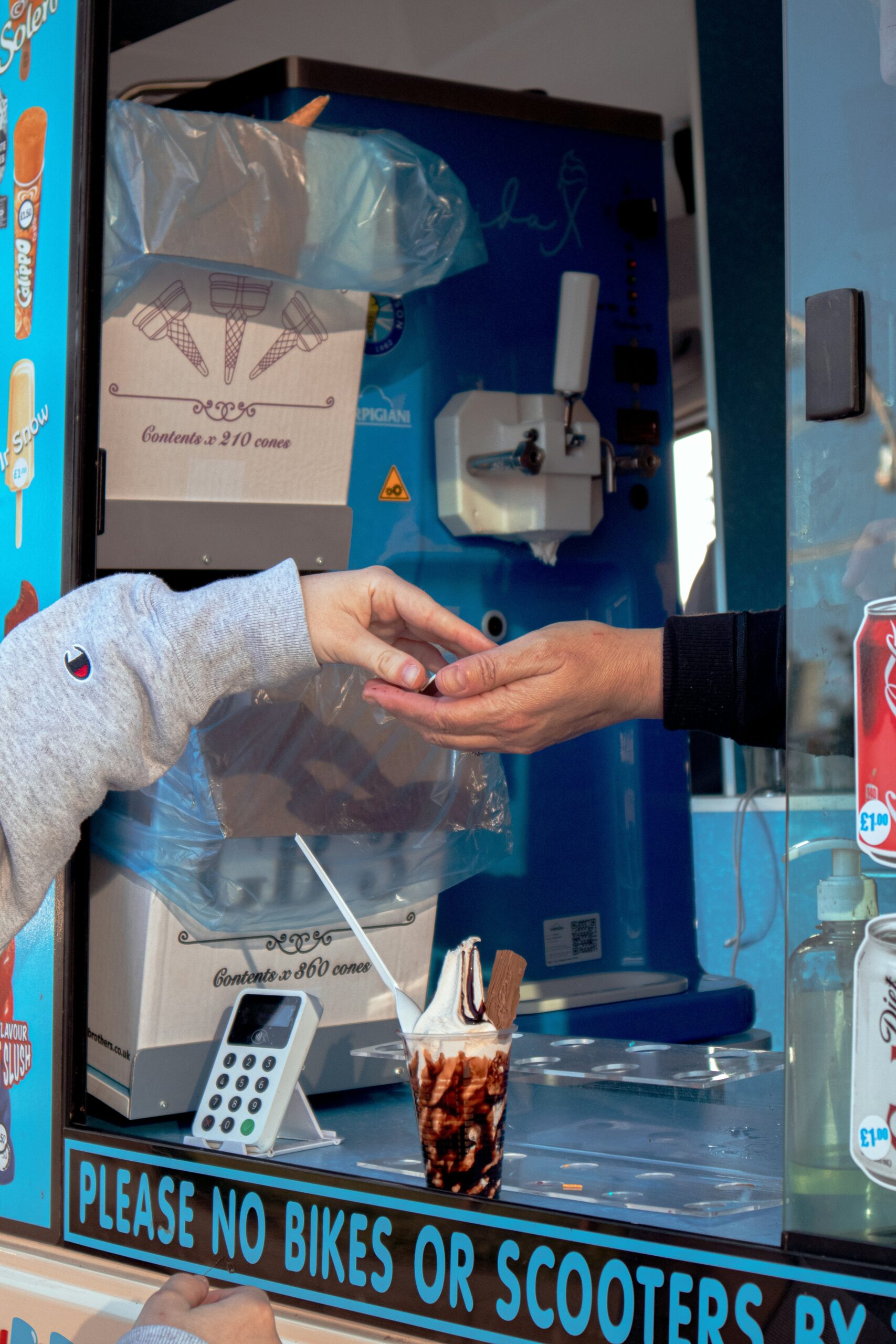
Cash Tug of War? But isn’t it my money?

The battle for revenue generated by third-party apps
There’s a saying in Mexico that says “Nobody knows who they’re working for.”
So tell me, “do you know why you’re paying DoorDash and similar platforms?” You probably think they’re getting you customers and helping you build your brand? Is that the value you believe DoorDash offers? Not quite. Customers are those that your business interacts with directly, so no help there. Branding is where consumers think of your company, products, experiences, or services ahead of your competitors. However, when I place an order on a mobile app, I’m clicking on a platform completely designed to optimize the user experience not the vendor’s profits. That entire system is focused on consumption of the app and generating revenues for the platform, not your business.
Is the juice worth the squeeze?
Could you make money with this type of system? Of course you could, but the investors who put up their cash to build out the platforms we know today as food delivery apps intended to earn a huge return on their investment. So the vision at headquarters was to provide a systematic way to collect the cash that restaurant owners are too dumb to generate on their own. However, the story gets told from a different perspective when you’re the producer of the goods being sold. You as the producer must put up your cash to stock supplies and pay staff for operations while they collect the revenue. Does that seem reasonable? I’m sure we all understand that business requires capital and that it is a necessary part of business to pay for supplies and staff. The assumption was that you don’t have the resources to create your own marketing systems and leverage technology to reach your customer base effectively and efficiently enough, so just pay to have that done for you. It may be perfectly reasonable to pay for solutions that will improve your business operations.
But there’s a problem with the logic of that last statement: “…solutions that will improve your business…” Just keep in mind that operations is not the only, and certainly not the most important aspect of your business. What about finance? Then there’s about human resources? How about compliance? You see, the allure of having systems built for you is a complicated puzzle to be handled with a careful eye. You can’t throw the baby out with the bath water when looking to grow your business, so why agree to build your business on systems that don’t truly bring your business the best result? The reality is that you shouldn’t.
One indicator that DoorDash may not be the ideal solution for your restaurant is the financial picture. Simply trace the cashflow with respect to the third-party platform that you choose to test. I recommend you always test before committing long-term to a capital heavy project, but because restaurants require a significant investment for startup, we fall into the trap that every aspect of our business needs to feel the same. That simply is not true. Doordash generates more cash in one day in San Francisco than 1,000 popular restaurants put together in San Francisco. How much was their Cost of Goods Sold for those revenues? $0.00. The cost is on me as the restaurant owner, which is not a problem, but it is an indicator that there’s an opportunity for improvement.
Don’t be fooled by thinking that you’re trading your supplies for customers. Doordash keeps the customer contact info hidden. Doordash will never recommend your restaurant outside of their umbrella, because that doesn’t make them any money. Don’t hold your breath. In fact they look for ways for you to further provide food for their customers on your dime, by creating new promotions to give away your food. That’s right; once they give away your food, there is no revenue to share with you! That’s not a recipe for success for the restaurant operator. Not by a long shot!
Defeat the Giants
If you or I could be a fly on the wall of those pesky high-tech headquarters in Chicago or San Francisco; there’s no doubt in my mind that the disrespectful comments about independent restaurant owners would knock us flat on our faces with fury and shock. The work we do is not considered important, but ask any restaurant operator how customers respond when they just want to pay for their favorite meal from their favorite people. We know how important and valuable our businesses are. But if it’s us versus the technology giants, then let’s take a look at what slingshots we can use to defeat the monster app makers.
I’ll list out a few simple approaches to gain your technical independence from the tech execs that scoff at our work:
- Pay a local developer to optimize your website for online ordering or pay for a proprietary mobile app.
- Pay an ad agency to run regular ads to your website/mobile app.
- Keep in touch with your customer base to build brand loyalty.
- Monitor your regular expenses in comparison to your changes in revenue.
- Adjust/test your systems periodically.
Conclusion
Don’t settle for the abuse from third-party ordering platforms. They may be bad for business. Get help if you don’t know how to assess the cost-benefit ratio of the services you pay for. There are solutions that we can and should leverage in order to create a more user-friendly experience for our customers. Do not be afraid of the technology itself, because it improves and becomes more accessible as time goes on.
Which of these approaches will you begin this week in order to get an advantage over your competition while regaining control of your revenue?